
Hear from Our Customers
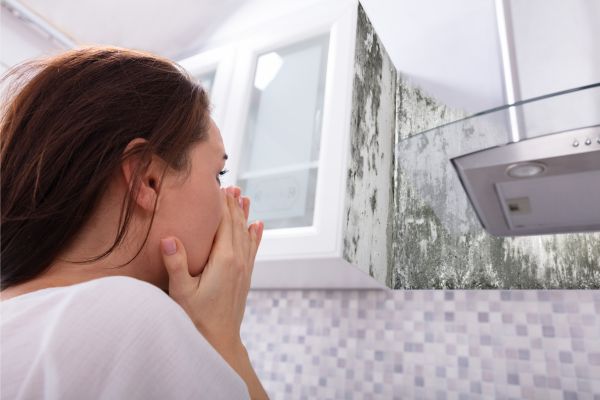
You’re not imagining that musty smell. Your kids’ allergies aren’t just seasonal. That water damage from last winter didn’t just dry up and disappear.
Mold grows in places you’ll never see without the right equipment. Behind drywall. Under flooring. In HVAC systems. And it doesn’t matter if you can’t see it—you’re still breathing it.
Professional mold testing tells you exactly what you’re dealing with. Not a home test kit that gives you a yes/no answer. Not a visual inspection that misses what’s hidden. We’re talking moisture mapping, air sampling, surface testing, and EPA-certified lab analysis that identifies the species and concentration levels.
You get documentation you can hand to your insurance company, your real estate agent, or your remediation contractor. You get clarity on whether that basement renovation is safe to start. You get peace of mind that your family isn’t living with a health risk you can’t see.
Paletown’s climate doesn’t do you any favors. Pennsylvania’s precipitation has jumped 5-10% in recent years, and that moisture has to go somewhere. It’s going into crawl spaces, attics, and wall cavities—creating perfect conditions for mold growth.
We’ve been serving Paletown and the surrounding Bucks County area for years. We’re not a national franchise reading from a script. We’re local professionals who understand Pennsylvania’s humidity, aging housing stock, and the water issues that come with freeze-thaw cycles.
Our inspectors are certified and trained to use moisture meters, infrared cameras, and sampling equipment that actually finds problems. We send every sample to an EPA-certified lab because guessing isn’t good enough when your family’s health is on the line.
We work with homeowners dealing with mystery health symptoms, buyers who want to know what they’re purchasing, and property managers who need documentation. We’re available 24/7 because mold emergencies don’t wait for business hours.
We start with a phone conversation about what you’re seeing, smelling, or experiencing. That helps us know where to focus when we arrive.
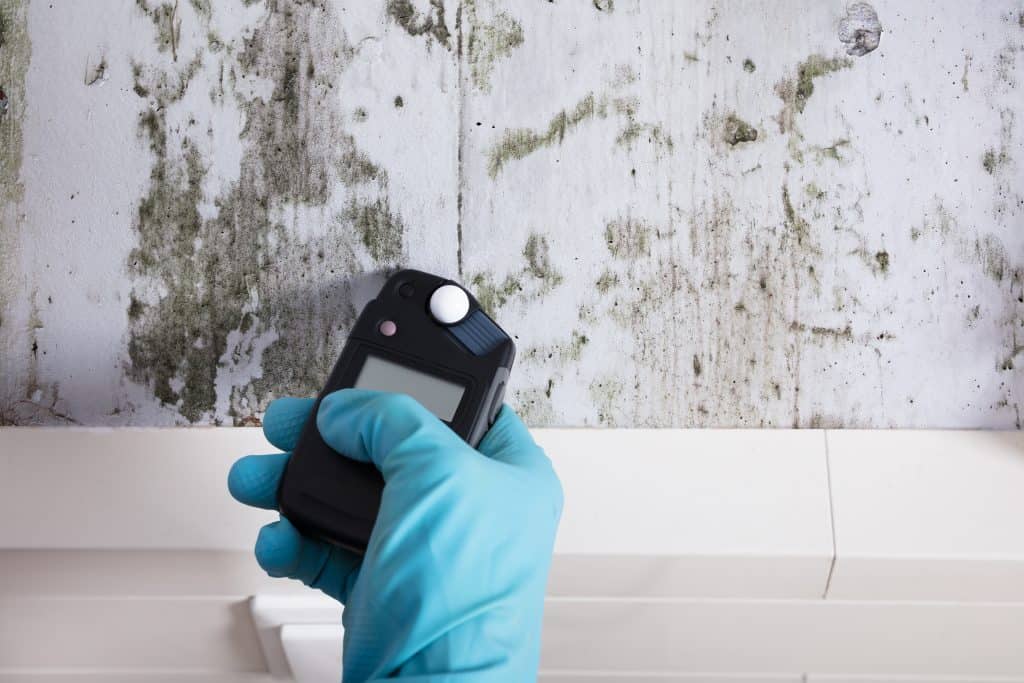
During the inspection, we’re checking visible areas and using technology to find hidden moisture. Infrared cameras show us temperature differences that indicate water intrusion behind walls. Moisture meters tell us if materials are wet enough to support mold growth. We’re looking in attics, basements, crawl spaces, behind appliances—anywhere moisture accumulates.
We collect air samples and surface samples from areas of concern. Those samples go to an EPA-certified laboratory for analysis. You’re not getting a “maybe” or “looks like mold to me.” You’re getting scientific identification of species and spore concentration levels.
Results typically come back within a few days. We walk you through the report in plain language—what was found, where it was found, and what it means for your health and property. If remediation is needed, we explain what that looks like. If the levels are normal, we tell you that too.
You’ll have documentation that satisfies insurance requirements, real estate contingencies, or just your own need to know what’s happening in your home.
Ready to get started?
You’re getting a thorough visual inspection of your entire property, not just the room where you noticed a problem. Mold in your bathroom might be originating from a roof leak two floors up.
We use moisture detection equipment to map out where water is hiding. That includes thermal imaging to spot temperature anomalies and pin-type moisture meters for direct readings in building materials.
Air sampling captures what you’re breathing. We collect samples from multiple areas and compare them to outdoor air to establish baseline levels. Surface sampling targets visible growth or suspicious areas to identify exactly what species you’re dealing with.
Every sample gets analyzed by an EPA-certified laboratory. That’s not us looking at it under a microscope in our truck. That’s independent scientific analysis with documented methodology.
You receive a comprehensive report that breaks down findings by location, identifies species, shows concentration levels, and includes photos from the inspection. It’s the kind of documentation insurance companies and attorneys actually accept.
Paletown homes—especially older properties—face unique challenges. Basements that were never properly waterproofed. Attics with insufficient ventilation. Crawl spaces that flood every spring. We’ve tested hundreds of properties in Bucks County, and we know what to look for in this area.
Most residential mold inspections in the Paletown area run between $300-$600 depending on your property size and how many samples we need to collect. A small condo with one area of concern costs less than a 3,000 square foot home where we’re testing multiple rooms.
That price includes the on-site inspection, moisture mapping, sample collection, laboratory analysis, and a detailed report. Some companies charge separately for each sample or add fees for lab work—we don’t do that. You get a flat rate based on your property.
If you’re buying a home and the seller agrees to pay for testing as part of negotiations, we can work directly with your real estate agent. If you’re filing an insurance claim for water damage, we provide documentation that supports your claim process. Some policies cover testing costs, some don’t—but you’ll have the paperwork either way.
The on-site inspection typically takes 1-3 hours depending on your property size and how many areas we’re investigating. We’re not rushing through with a checklist. We’re using equipment, taking samples, documenting conditions, and answering your questions.
Lab results come back in 3-5 business days for standard analysis. If you need rush processing—maybe you’re in the middle of a real estate transaction with a tight closing date—we can request expedited analysis for an additional fee. That gets results in 24-48 hours.
Once we receive the lab report, we schedule a call or meeting to walk you through the findings. We don’t just email you a technical document and disappear. We explain what the numbers mean, whether you have a problem, and what your options are. That conversation usually takes 20-30 minutes, and you can ask as many questions as you need.
You can, but you’re probably wasting your money. Home test kits have serious limitations that make them unreliable for actual decision-making.
Most kits just tell you “mold is present”—which is always true because mold spores exist everywhere. They don’t tell you what species, what concentration levels, or whether it’s actually a problem. Some molds are relatively harmless. Others, like Stachybotrys (black mold), produce mycotoxins that cause real health issues. A kit can’t tell you the difference.
Home kits also can’t find hidden mold. They test whatever surface you swab or whatever air is in the room at that moment. They’re not using moisture meters to find water behind your walls. They’re not using thermal imaging to spot temperature differences that indicate hidden problems. They’re not comparing indoor levels to outdoor baseline levels.
Professional testing uses calibrated equipment, proper sampling methodology, and independent laboratory analysis. You get documentation that insurance companies and real estate attorneys actually accept. If you’re making a decision that involves thousands of dollars—whether to buy a house, whether to file a claim, whether to invest in remediation—you need reliable information.
A mold inspection is the visual assessment and moisture investigation. We’re walking through your property, looking for visible growth, checking for water damage, using equipment to find hidden moisture, and identifying conditions that support mold growth.
Mold testing is the laboratory analysis of samples we collect during that inspection. We take air samples, surface samples, or bulk samples and send them to an EPA-certified lab for species identification and concentration measurement.
Most people need both. The inspection tells us where problems exist and how severe they appear. The testing tells us exactly what’s growing and whether concentration levels are elevated compared to normal outdoor air. Some situations only require an inspection—if there’s obvious mold growth and you’re planning to remove it anyway, you might not need lab confirmation. But if you’re dealing with health symptoms, buying a property, or filing an insurance claim, you want the documentation that testing provides.
We typically recommend testing when there’s been significant water damage, when people are experiencing unexplained respiratory symptoms, when you’re buying or selling a property, or when you need documentation for legal or insurance purposes.
We can’t see through walls, but we can detect conditions that indicate hidden mold growth. That’s where technology makes the difference between a basic visual inspection and professional mold testing.
Thermal imaging cameras show us temperature differences in walls, ceilings, and floors. Wet building materials have different thermal signatures than dry materials. If we see a cold spot on your wall, that’s telling us there’s moisture present—and where there’s moisture, there’s likely mold.
Moisture meters give us direct readings when we suspect a problem area. We can test drywall, wood framing, insulation, and other materials without causing damage. If readings show elevated moisture content, we know something’s wrong even if we can’t see it yet.
In some cases, we’ll recommend a small exploratory opening to visually confirm what our equipment is telling us. That might mean removing a small section of drywall or pulling back a piece of baseboard. It’s better to make one small controlled opening than to ignore a problem that’s spreading inside your walls. If we do find hidden mold, you’ll have clear documentation of the extent and location before remediation begins.
First, don’t panic. Finding mold doesn’t mean your house is condemned or worthless. It means you have information you can act on.
We walk you through the lab report and explain what was found, where it was found, and what the concentration levels mean. Some mold findings are minor—surface growth that can be cleaned with proper protocols. Other findings indicate larger problems that need professional remediation.
If remediation is necessary, we provide a detailed scope of work based on the testing results. That tells you exactly what needs to be removed, what needs to be cleaned, and what moisture issues need to be fixed. You can use that documentation to get accurate quotes from remediation contractors—including us if you want, but you’re not obligated to use our remediation services just because we did the testing.
We also identify the source of moisture that allowed mold to grow in the first place. Removing mold without fixing the water problem means it’s coming back. Maybe it’s a plumbing leak, poor ventilation, foundation water intrusion, or a roof issue. We tell you what needs to be addressed so you’re not paying for the same problem twice.
After remediation is complete, we can perform clearance testing to verify that spore levels have returned to normal and the work was done properly. That gives you confirmation that your home is safe again.
Other Services we provide in Paletown